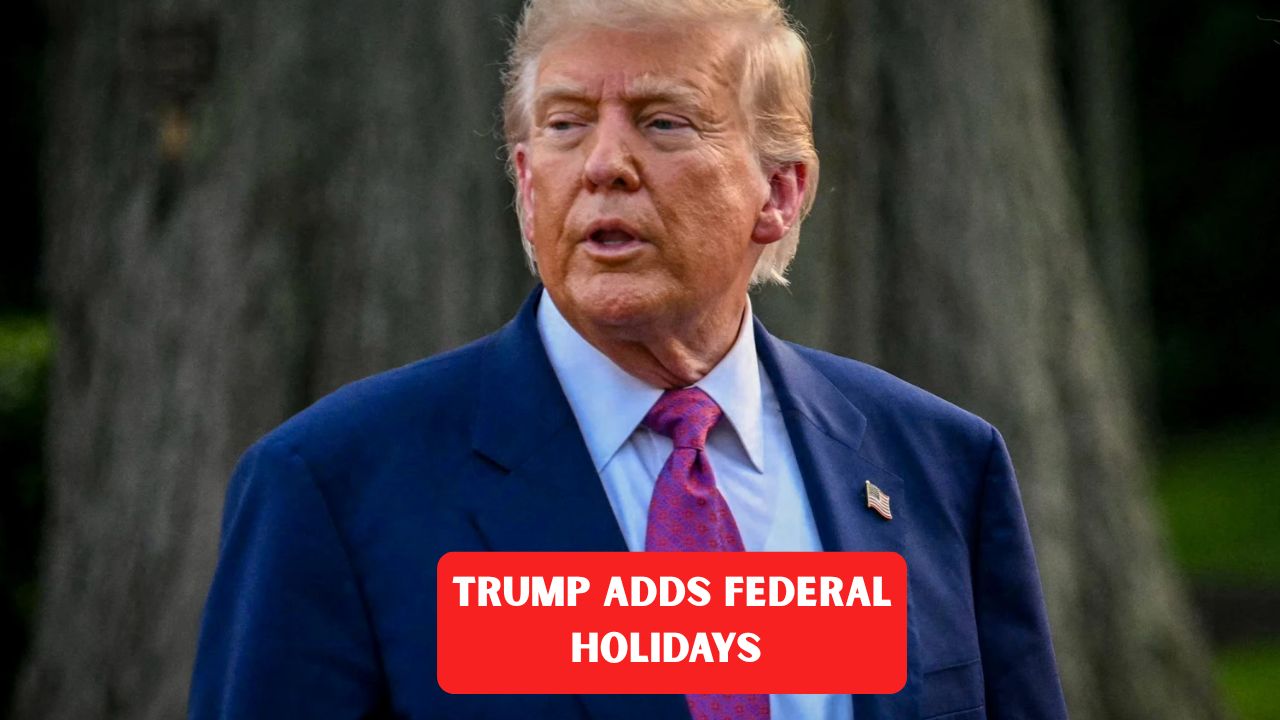
In a surprising turn of events this December, President Donald Trump signed an executive order granting federal employees additional time off for the 2025 holiday season.1 This move, which effectively creates a five-day weekend for government workers, comes despite the President’s previous public criticisms regarding the number of federal holidays.2 On Thursday, December 18, 2025, the White House announced that both Christmas Eve (December 24) and the day after Christmas (December 26) would be observed as holidays for executive departments and agencies.3
While the decision was met with cheers from the federal workforce, it has raised eyebrows among policy analysts who recall Trump’s earlier rhetoric. Just months ago, during the Juneteenth observance in June 2025, the President took to social media to claim that the United States had “too many” non-working holidays, arguing that they cost the country billions in lost productivity.4 This apparent shift from fiscal hawk to “holiday hero” highlights the complex relationship between the administration and the massive federal bureaucracy it oversees.
The 2025 Christmas Executive Order
The specific directive issued by President Trump ensures that federal offices will be closed on Wednesday, December 24, and Friday, December 26.5 Since Christmas Day falls on a Thursday this year, the order bridges the gaps to provide a continuous break.6 This is not the first time Trump has shown such generosity; during his first term, he granted full days off for Christmas Eve in 2018, 2019, and 2020.7 However, the addition of the day after Christmas makes this 2025 package particularly significant, mirroring a similar move made by Barack Obama in 2014.8
It is important to note that these are technically “one-time” designations rather than permanent additions to the U.S. Code.9 To create a permanent federal holiday, such as Juneteenth or Veterans Day, Congress must pass legislation that the President then signs into law.10 By using an executive order, Trump provides an immediate benefit to the workforce without permanently altering the annual federal calendar or long-term budget projections.11
Comparing Recent Federal Holiday Actions
To understand the landscape of these decisions, it helps to look at how federal holidays are structured and how recent administrations have handled them. Below is a comparison of the official 2025 holiday schedule alongside the temporary additions made by the current administration.
Federal Holiday Overview 2025
| Holiday Name | Date Observed | Status |
| New Year’s Day | January 1 | Permanent |
| Martin Luther King Jr. Day | January 20 | Permanent |
| President’s Day | February 17 | Permanent |
| Memorial Day | May 26 | Permanent |
| Juneteenth | June 19 | Permanent |
| Independence Day | July 4 | Permanent |
| Labor Day | September 1 | Permanent |
| Columbus Day | October 13 | Permanent |
| Veterans Day | November 11 | Permanent |
| Thanksgiving Day | November 27 | Permanent |
| Christmas Eve | December 24 | Temporary (2025 Only) |
| Christmas Day | December 25 | Permanent |
| Day After Christmas | December 26 | Temporary (2025 Only) |
Rhetoric vs. Reality: The Economic Debate
The President’s critics point to his Truth Social posts from June 2025 as evidence of inconsistency.12 In those posts, he suggested that the proliferation of holidays was a hurdle to “Making America Great Again,” stating that “the workers don’t want it either!” The economic argument against federal holidays usually centers on the cost of “paid leave” for millions of employees and the ripple effect of closing essential services like the Social Security Administration or the Passport Office.13
However, supporters of the President argue that these end-of-year holidays serve a different purpose: morale. Following a year marked by aggressive efforts to shrink the federal workforce and reclassify civil service positions, the extra time off is seen by some as a “peace offering” to those remaining in the government. It provides a much-needed reprieve for a workforce that has been under significant pressure due to restructuring and the threat of government shutdowns.
Impact on the Private Sector and Public Services
While the executive order covers the federal workforce, its impact on the general public is mixed. Most private-sector employers are not legally required to follow the federal government’s lead.14 While some large corporations may choose to close on Christmas Eve, many retail, hospitality, and essential service workers will remain on the job.15
Public services will see significant shifts. While post offices generally remain open for retail transactions on the “temporary” holidays of December 24 and 26, mail delivery schedules can be affected by the reduction in federal staff. Banks, which follow the Federal Reserve’s schedule, typically remain open on these bridge days, as the Fed usually only observes the 11 permanent statutory holidays.16 This creates a unique situation where the “regulators” are on vacation while the “regulated” continue to operate.
The Political Strategy Behind the Move
Some political analysts view the 2025 holiday extension as a strategic move to soften the President’s image during a period of intense reform. By granting a “miracle” five-day break, the administration can claim to be pro-worker and family-oriented, even while pursuing policies that reduce the overall size of the government. This duality—criticizing the system while occasionally rewarding the individuals within it—is a hallmark of the Trump administration’s populist approach.

Furthermore, by keeping these holidays temporary, the President avoids a direct confrontation with fiscal conservatives in his own party who are wary of any permanent increases in government spending. It allows the administration to have it both ways: appearing generous during the “most wonderful time of the year” while maintaining the stance that the permanent holiday calendar is already too crowded.
Conclusion: A Balancing Act
The 2025 holiday season will undoubtedly be remembered as a high point for federal employee benefits under Donald Trump. Whether this indicates a permanent shift in his views on federal holidays or is simply a one-time gesture remains to be seen. For now, hundreds of thousands of government workers are preparing for an unprecedented winter break, even as the debate over the economic cost of such closures continues to simmer in Washington.
FAQs
Q1 Does this mean Christmas Eve is now a permanent federal holiday?
No. The President’s executive order only applies to the year 2025.17 For a holiday to become permanent, it must be passed as a bill by Congress and signed into law.18
Q2 Will I get mail on December 24 and December 26?
Generally, yes. While federal offices are closed, the U.S. Postal Service often maintains delivery schedules on Christmas Eve and the day after, though local retail windows may have limited hours.19
Q3 Are banks closed on these new holidays?
Usually, no. Most banks follow the Federal Reserve’s holiday schedule, which currently does not include December 24 or December 26 as official bank holidays.
Disclaimer
The content is intended for informational purposes only. you can check the officially sources our aim is to provide accurate information to all users.