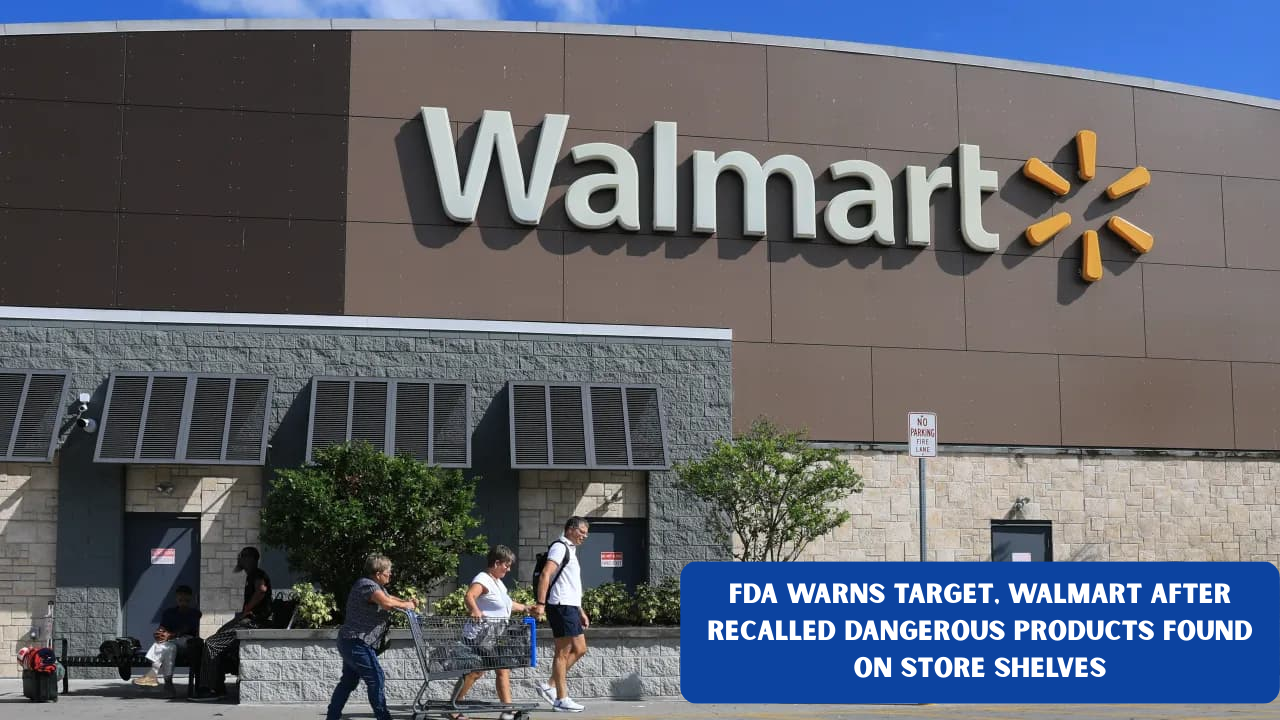
The U.S. Food and Drug Administration (FDA) has issued a severe warning to some of the nation’s largest retailers, including Target and Walmart, for a significant failure in consumer safety protocols. In a series of warning letters publicized in mid-December 2025, the agency admonished these corporations for continuing to sell dangerous, recalled products well after safety notices were issued.2 The specific items in question were units of ByHeart Whole Nutrition Infant Formula, a product linked to a serious outbreak of infant botulism that has hospitalized dozens of babies across the country.3
A Failure to Remove Toxic Products
The core of the FDA’s complaint revolves around the delayed removal of compromised infant formula from store shelves.4 Despite a voluntary recall initiated by the manufacturer, ByHeart, on November 8, 2025, and subsequently expanded days later, federal investigators found the tainted products available for purchase weeks after the initial safety alerts.5 The FDA’s warning letters, dated December 12, 2025, detailed how inspectors discovered the recalled formula in “multiple locations across multiple states,” highlighting a breakdown in the supply chain communication and execution that put vulnerable infants at risk.6
This incident is not merely a clerical error but a violation of the Federal Food, Drug, and Cosmetic Act. Retailers have a legal and ethical obligation to act swiftly when a product is deemed unsafe.7 The FDA’s investigation revealed that despite receiving notification, stores under the banners of Target, Walmart, Kroger, and Albertsons failed to effectively clear their inventory.8 In some egregious instances, the dangerous products were not only left on shelves but were actively promoted to customers.
Shocking Oversights at the Register
One of the most alarming details released by the FDA involved a Target location in Arkansas.9 Investigators found that not only was the recalled ByHeart formula still available for purchase, but it was also being marketed with a “Sale!” sign offering a $2 discount.10 This occurred between November 16 and November 22, roughly a week after the expanded recall notice had been issued.11 Such a failure suggests that instead of being flagged for removal, the toxic inventory was cycled through standard promotional pricing algorithms, completely bypassing safety checks.
The warning letters also noted that electronic sales blocks, which are supposed to prevent a recalled item from being scanned at the register, were either not implemented or were bypassed. For example, a Target store in New Hampshire sold a can of the recalled formula on November 16, despite the retailer claiming that a systematic lock had been put in place.12 These gaps in the safety net indicate that the current systems used by major retailers to handle recalls may be insufficient for high-risk items like infant food.
The Dangers of Infant Botulism
The urgency of the FDA’s crackdown is driven by the severity of the illness associated with the recalled formula. Infant botulism is a rare but potentially fatal gastrointestinal illness caused by the Clostridium botulinum bacteria.13 When an infant ingests these spores, they can grow in the immature gut and produce a potent neurotoxin.14 The outbreak linked to the ByHeart formula has resulted in at least 51 confirmed or suspected cases across 19 states. While no deaths have been reported as of mid-December, every single affected child required hospitalization.16 The symptoms of infant botulism are terrifying for parents and include muscle weakness, a “floppy” appearance, poor feeding, constipation, and a weak cry.17 If left untreated, the toxin can cause paralysis of the breathing muscles, necessitating mechanical ventilation. The fact that retailers continued to sell a product carrying such a high risk has drawn sharp criticism from public health advocates who argue that recall response times must be immediate.
Timeline of Retailer Failures
The following table outlines the specific findings by FDA investigators regarding where and when the recalled products were found after the safety notices were issued.
| Retailer | States Affected | Violation Details | FDA Findings |
| Target | 20 States | Sold after recall; Promo pricing used | Found “Sale!” signs on recalled formula in AR; electronic blocks failed in NH. |
| Walmart | 21 States | Product remaining on shelves | Recalled formula found available for purchase from Nov 12 to Nov 26. |
| Kroger | 10 States | Delayed removal | Investigators found product on shelves for over a week post-recall. |
| Albertsons | 11 States | Inventory management failure | Sold recalled items across multiple store banners including Safeway and Acme. |
Systemic Supply Chain Issues
These warning letters highlight a broader systemic issue within the American retail supply chain. While retailers often blame “stocking errors” or “communication breakdowns” for these lapses, the pattern of selling recalled goods is becoming disturbingly common. Similar issues arose in late 2023 regarding lead-tainted applesauce pouches, where products remained on shelves at discount retailers like Dollar Tree long after recalls were announced. The FDA has given the cited retailers 15 working days to respond with a specific plan of action.20 They must detail the steps they have taken to correct the violations and prevent them from recurring.21 Failure to adequately address these concerns could result in legal action, including seizure of products and injunctions.22 This strict stance signals that the agency is losing patience with multi-billion dollar corporations that claim to prioritize safety but fail to execute basic recall procedures.
Consumer Vigilance Required
For parents and caregivers, this situation serves as a stark reminder that store shelves are not infallible. Just because a product is available for sale at a reputable major retailer does not guarantee its safety, especially during an active outbreak. Consumers are urged to check lot numbers against recall databases manually, rather than relying solely on the store to remove the items.

The breakdown in safety protocols at Walmart and Target demonstrates that the “last mile” of a recall—physically taking the product off the shelf—remains the weakest link. Until retailers implement more robust, fail-safe mechanisms that physically stop a sale at the register and immediately alert floor staff to pull inventory, the risk to public health remains significant.
FAQs
Q1: What specific product was involved in this FDA warning?
The warning specifically concerns ByHeart Whole Nutrition Infant Formula.24 The FDA found that major retailers continued to sell this product after it was recalled due to links to a botulism outbreak.25
Q2: What should I do if I bought the recalled formula?
Do not use it. Check the lot number on the bottom of the can against the FDA recall list. If it matches, dispose of it immediately or return it to the store for a refund. If your baby has consumed it, monitor them closely for signs of lethargy or muscle weakness and contact a doctor.26
Q3: Why did the electronic registers not stop the sale?
While many retailers have systems to block recalled items at the register, the FDA found instances where these blocks failed, were not implemented in time, or were overridden. In some cases, products were even put on sale after the recall was issued.
disclaimer
The content is intended for informational purposes only. you can check the officially sources our aim is to provide accurate information to all users.