The American automotive landscape is undergoing a radical transformation, and Chrysler is finally ready to claim its stake in the electric era. After years of relying on a limited lineup, the storied brand is preparing for a massive relaunch, spearheaded by its first-ever all-electric crossover scheduled for a 2027 release. This vehicle represents more than just a new model; it is the cornerstone of Chrysler’s “Harmony in Motion” philosophy. By blending mid-century elegance with futuristic STLA technology, Chrysler aims to transition from a legacy manufacturer into a modern leader in sustainable mobility.
A New Design Language: Styling the Future
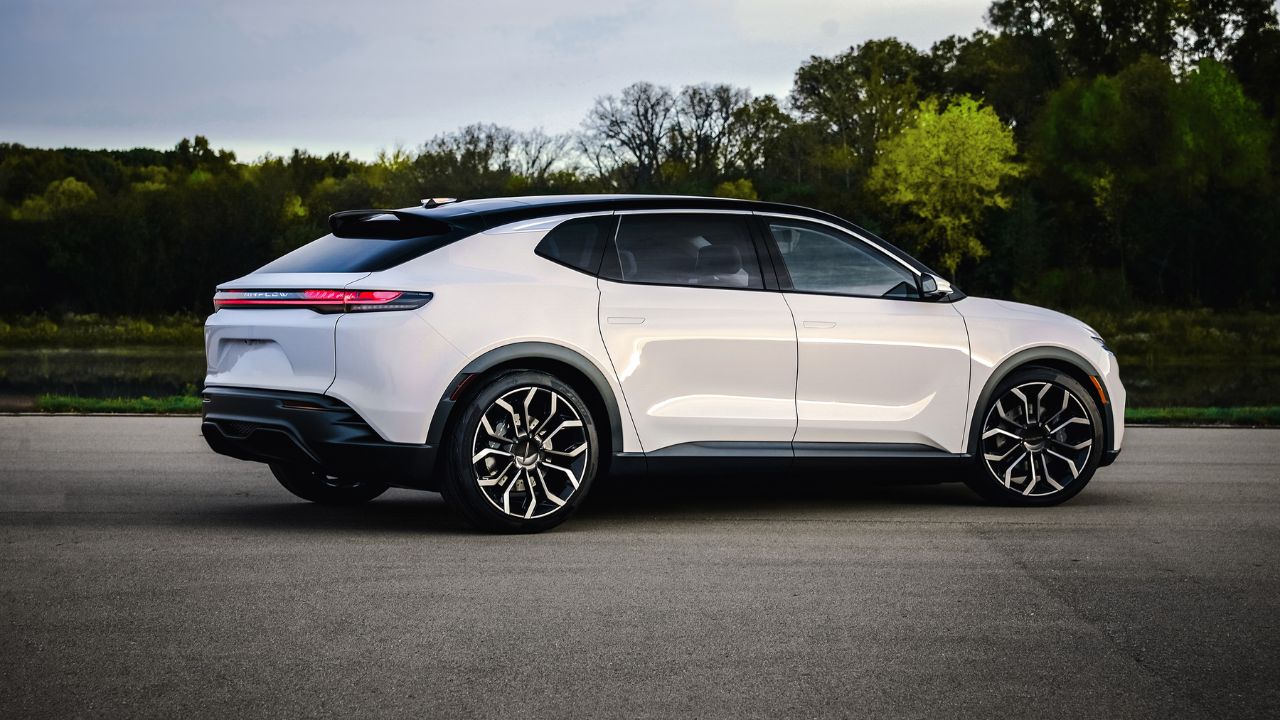
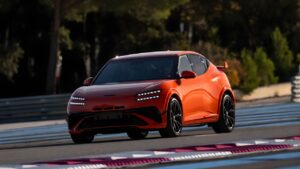
The aesthetic of the 2027 Chrysler crossover marks a departure from the conservative styling of the past decade. Taking heavy inspiration from the Halcyon and Airflow concepts, the production model is expected to feature a “sculptural” design focused on aerodynamic efficiency. Unlike the boxy SUVs that dominate today’s market, this crossover will likely boast a low-slung, athletic profile with a panoramic glass canopy that seamlessly merges with the bodywork. The front fascia will introduce an illuminated Chrysler wing logo, serving as a digital “handshake” to the driver. This “New Chrysler” look is intended to be sophisticated yet approachable, moving away from aggressive performance styling toward a more “Zen” and serene road presence.
Cutting-Edge Specs and Performance
Beneath its sleek exterior, the 2027 crossover will be built on the Stellantis STLA Large platform. This architecture is a powerhouse of versatility, designed specifically for high-performance electric vehicles. Early reports and concept data suggest a dual-motor all-wheel-drive configuration that could deliver approximately 400 horsepower, allowing for a 0–60 mph sprint in roughly 5 to 6 seconds. Chrysler is prioritizing usability and range, aiming for a battery capacity of 118 kWh. This should translate to a driving range of 350 to 400 miles on a single charge, placing it at the top of its class for long-distance family travel.
| Feature | Estimated Specifications (2027 Model) |
| Platform | STLA Large Architecture |
| Battery Capacity | 118 kWh Lithium-ion |
| Electric Range | 350 – 400 Miles |
| Drivetrain | Dual-Motor AWD |
| Acceleration | 0–60 mph in ~5.5 Seconds |
| Charging Rate | Up to 800V (40 miles in 5 minutes) |
| Software | STLA Brain & SmartCockpit |
Strategy Shift: The Multi-Energy Approach
While Chrysler’s initial messaging focused solely on a 100% electric future by 2028, recent market shifts have led to a more pragmatic strategy. CEO Christine Feuell has emphasized a “multi-energy” approach. This means that while the 2027 crossover is being developed as a flagship EV, the underlying platform is flexible enough to accommodate internal combustion and hybrid powertrains if market demand dictates. This strategy ensures that Chrysler can remain competitive across different regions where EV infrastructure may still be developing, protecting the brand’s longevity while still pushing toward a greener future.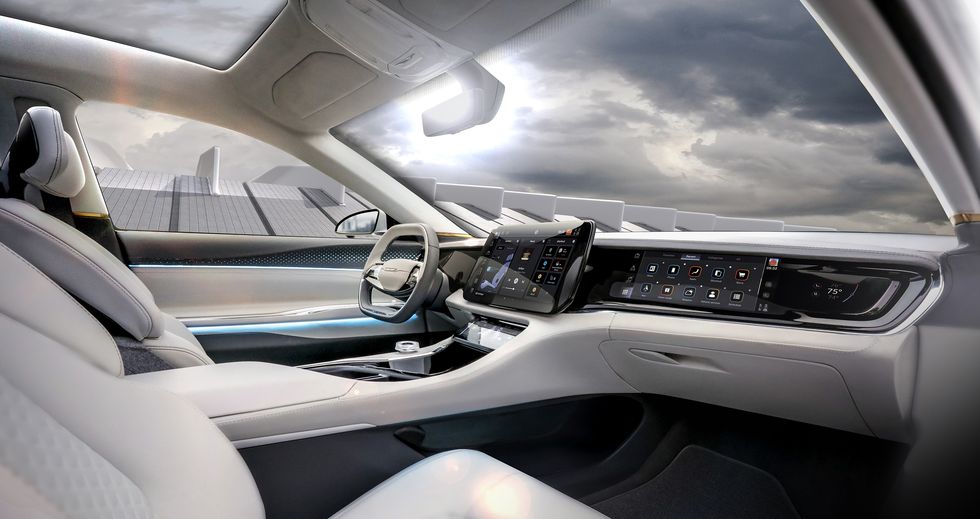
Interior Innovation: The STLA SmartCockpit
The cabin of the 2027 crossover is where Chrysler intends to win over tech-savvy families. Utilizing the STLA Brain software architecture, the interior will be a living room on wheels. Expect a minimalist dashboard dominated by edge-to-edge screens and an augmented reality (AR) head-up display. Sustainability is a major pillar here; the brand has committed to using up to 95% sustainable materials, including recycled plastics and vegan leather alternatives. Features like biometrics for seat adjustments and a “Chill Mode” for autonomous driving sessions will turn the daily commute into a regenerative experience rather than a chore.
Competition and Market Positioning
Chrysler is positioning this crossover as a premium, yet accessible, alternative to established players like the Tesla Model Y and the Cadillac LYRIQ. By leaning into its heritage of “clever” utility—such as a modern reimagining of the Stow ‘n Go seating—Chrysler aims to attract suburban families who want luxury without the “stodgy” image of traditional European brands. The 2027 launch is strategically timed to coincide with the widespread availability of the North American Charging Standard (NACS), ensuring that new owners will have immediate access to a robust charging network from day one.
The Road Ahead: Revitalizing an Icon
The success of the 2027 crossover is vital for Chrysler’s survival within the Stellantis portfolio. For years, critics argued the brand was “running on fumes” with only the Pacifica minivan carrying the torch. This new EV crossover is the first step in a broader product offensive that will likely include an electric sedan and a refreshed, electrified minivan lineup. By focusing on high-margin crossovers and integrating industry-leading software, Chrysler is attempting one of the most significant brand reboots in American automotive history.
FAQs
Q1 When will the new Chrysler EV crossover be available for purchase?
The production version is expected to be officially revealed in late 2026, with the first units hitting showroom floors in early 2027 as a 2027 model year vehicle.
Q2 Will the 2027 Chrysler crossover have a gas-powered version?
While the primary focus is on a battery-electric powertrain, Chrysler’s new “multi-energy” strategy means the STLA Large platform could potentially support hybrid or internal combustion options if requested by the market.
Q3 What is the expected price range for the 2027 crossover?
Official pricing has not been released, but industry experts anticipate a starting price between $45,000 and $60,000, depending on battery size and trim levels, to stay competitive with other mid-size electric SUVs.
Disclaimer
The content is intended for informational purposes only. you can check the officially sources our aim is to provide accurate information to all users