Gardening in Australia is a bit of an adventure because our climate varies so wildly from the tropical north to the cool, temperate south. There is something deeply satisfying about syncing your backyard patch with the natural rhythm of the year. Whether you have a sprawling quarter-acre block or a few pots on a balcony, knowing exactly what to plant and when can turn a struggling garden into a thriving sanctuary. It isn’t just about making things look pretty; it is about that unbeatable feeling of biting into a sun-warmed strawberry you grew yourself.
Summer: Embracing the Heat
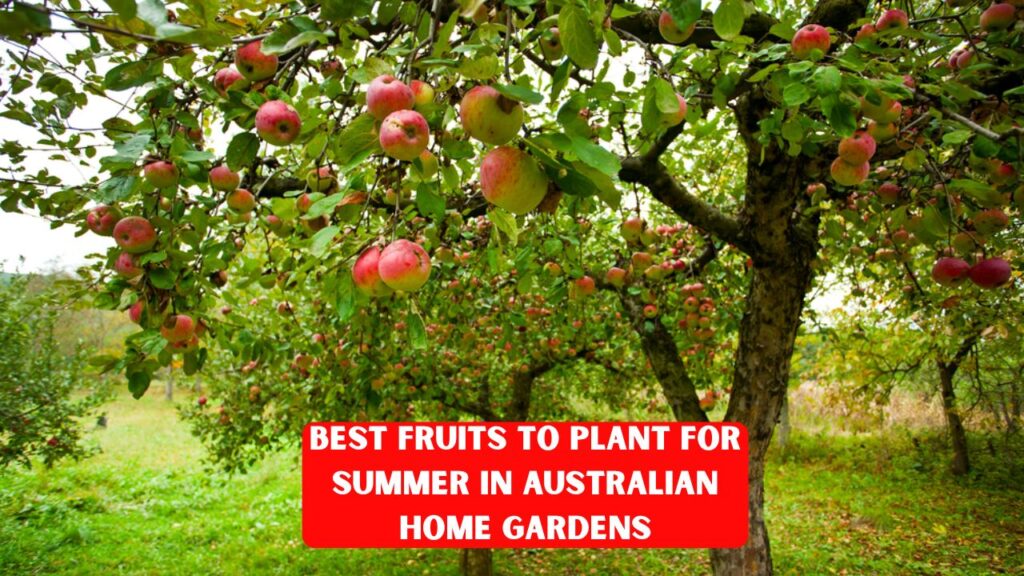
When the heat hits, your garden often faces its toughest test, but this is also the season for some of the most vibrant rewards. Summer in most Australian backyards is all about managing water and enjoying high-energy growth. For flowers, you cannot go past the resilience of Zinnias and Marigolds. They love the sun and seem to bloom harder the hotter it gets. If you want something more structural, Bougainvillea puts on a spectacular show in summer, thriving on neglect and intense sunlight. On the fruit front, this is the time for water-rich treats. Watermelons and passionfruit vines go crazy in the heat, provided you keep the water up to them. It is also peak season for stone fruits like peaches and nectarines, which should be ripening nicely on established trees.
Autumn: The Great Reset
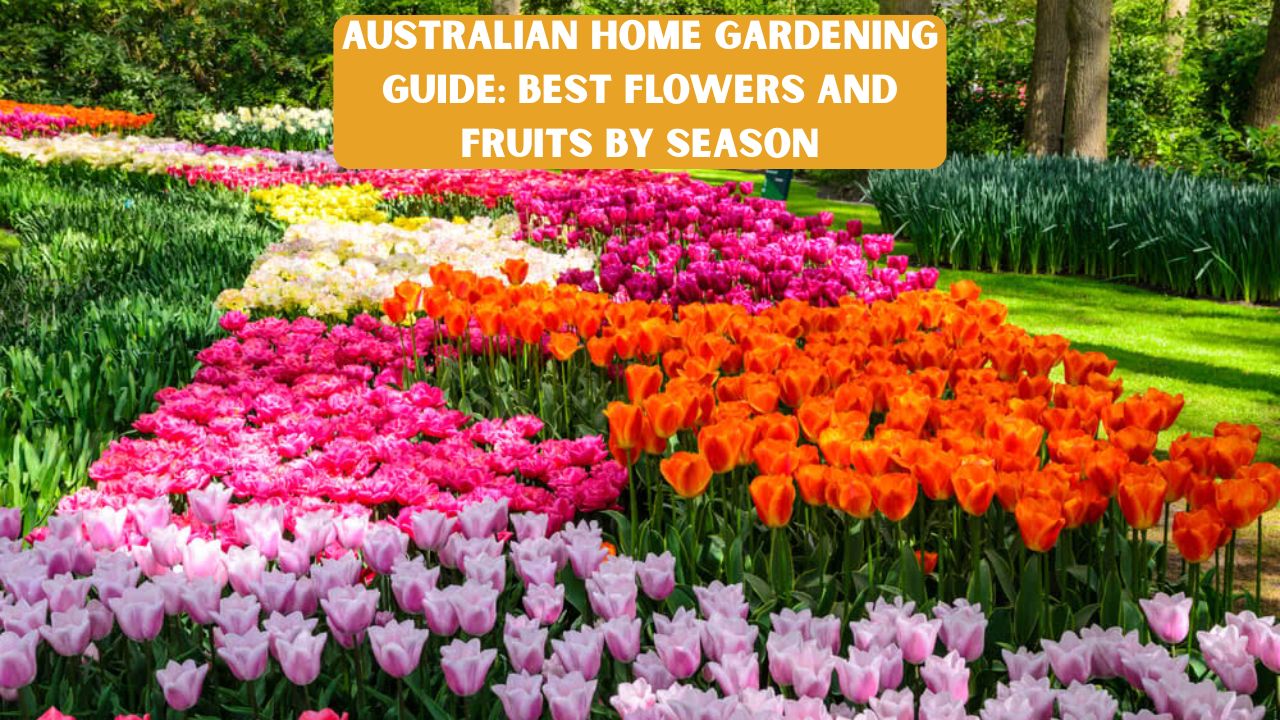
As the humidity drops and the evenings get crisp, the garden breathes a sigh of relief. Autumn is arguably the best time to spend long days working in the soil because the earth is still warm enough for root growth, but the scorching sun has backed off. This is the moment to plant bulbs for the future, like daffodils and tulips, but don’t forget the instant colour of Chrysanthemums and Salvias which put on a final, stunning display before winter. For fruit lovers, autumn is synonymous with the apple and pear harvest. It is also the perfect window to plant new citrus trees—lemons, limes, and mandarins—allowing them to settle in before the real cold sets in.
Quick Seasonal Planting Guide
Here is a quick reference to help you plan your year. This breakdown focuses on what is generally hitting its stride or ready for planting in temperate Australian zones.
| Season | Best Flowers to Plant/Enjoy | Best Fruits to Harvest/Plant | Top Gardening Tip |
| Summer | Zinnias, Bougainvillea, Petunias | Watermelon, Passionfruit, Berries | Mulch heavily to keep roots cool and retain moisture. |
| Autumn | Chrysanthemums, Roses (late bloom), Bulbs | Apples, Pears, Citrus (planting) | Prune back spent summer growth to tidy up. |
| Winter | Camelias, Pansies, Hellebores | Lemons, Mandarins, Rhubarb | focus on soil health; add compost and manure. |
| Spring | Native Wildflowers, Jacaranda, Jasmine | Strawberries, Mulberries, Melons | Fertilise everything as the soil warms up. |
Winter: Structure and Natives
Many people think the garden goes to sleep in winter, but in Australia, that is rarely the case. This is the season where our native flora really shines. Grevilleas and Banksias often flower during the cooler months, providing vital food for birds when little else is available. If you prefer a cottage vibe, Camellias are the absolute queens of the winter garden, offering lush foliage and elegant blooms when everything else looks dreary. Fruit-wise, winter is citrus time. There is nothing quite like picking a fresh lemon for your morning tea. It is also the traditional time to plant bare-rooted fruit trees like apples and plums while they are dormant, giving you a head start on spring.
Spring: The Explosion of Life
Spring hardly needs an introduction; it is the chaotic, beautiful rush where everything seems to happen at once. The scent of Jasmine in the air is a hallmark of an Aussie spring. Roses will start their first and most magnificent flush of the year, and native wildflowers like the Golden Wattle will paint the landscape yellow. In the edible garden, strawberries are the star attraction. Planting them early in spring ensures a sweet harvest by Christmas. Mulberries also ripen fast, often staining the hands of anyone lucky enough to have a tree nearby. It is a busy time for feeding your soil, as all this new growth demands plenty of nutrients.
Understanding Regional Differences
It is important to remember that Australia is a massive continent, so a “one size fits all” approach has its limits. While the guide above works well for Sydney, Melbourne, Adelaide, and Perth, our friends up north in Brisbane and Darwin operate on a different schedule. In the tropics, the “Dry Season” (winter) is actually the best time for vegetable gardening, as the summer heat and humidity can be too intense for traditional crops. Conversely, gardeners in Tasmania might need to wait a few weeks longer in spring for the frost to clear before planting out sensitive seedlings. Always check your local zone, but don’t be afraid to experiment.
The Joy of Home Harvest
Ultimately, the best plants for your garden are the ones that bring you joy. Maybe it is a specific rose bush that reminds you of your grandmother, or perhaps a gnarled old lemon tree that makes the best lemonade. Gardening is a long game, full of trial and error. Some years the pests win, and other years you have so many tomatoes you are giving them away to strangers. That variability is part of the charm. So grab your gloves, prep your soil, and get something in the ground this weekend.

FAQs
Q1 What is the easiest fruit to grow for beginners in Australia?
Citrus trees, specifically lemons or limes, are very forgiving and productive in most Australian backyards. Strawberries are also excellent for beginners as they grow well in pots and offer quick rewards.
Q2 When is the best time to fertilise my Australian garden?
Spring is the most critical time. As the soil warms up, plants wake from dormancy and are hungry for nutrients to support new growth. A secondary feed in late summer or early autumn can also help sustain late bloomers.
Q3 Can I grow flowers and vegetables together?
Absolutely. This is often called companion planting. Flowers like Marigolds can actually help deter pests from your vegetables, while bees attracted to the flowers will help pollinate your fruit crops.
Disclaimer
The content is intended for informational purposes only. you can check the officially sources our aim is to provide accurate information to all users.