As we move into 2026, Australians are set to receive a significant boost to their household budgets through a series of sweeping government reforms. Designed to tackle the persistent rise in the cost of living, these changes focus on two of the most critical areas of daily expenditure: healthcare and income tax. With new legislation coming into effect, millions of people will see a reduction in the price of essential medications and a further decrease in the amount of tax withheld from their paychecks. These measures represent a strategic effort to put more money back into the pockets of workers and families across the nation.
Significant Cuts to PBS Medicine Prices
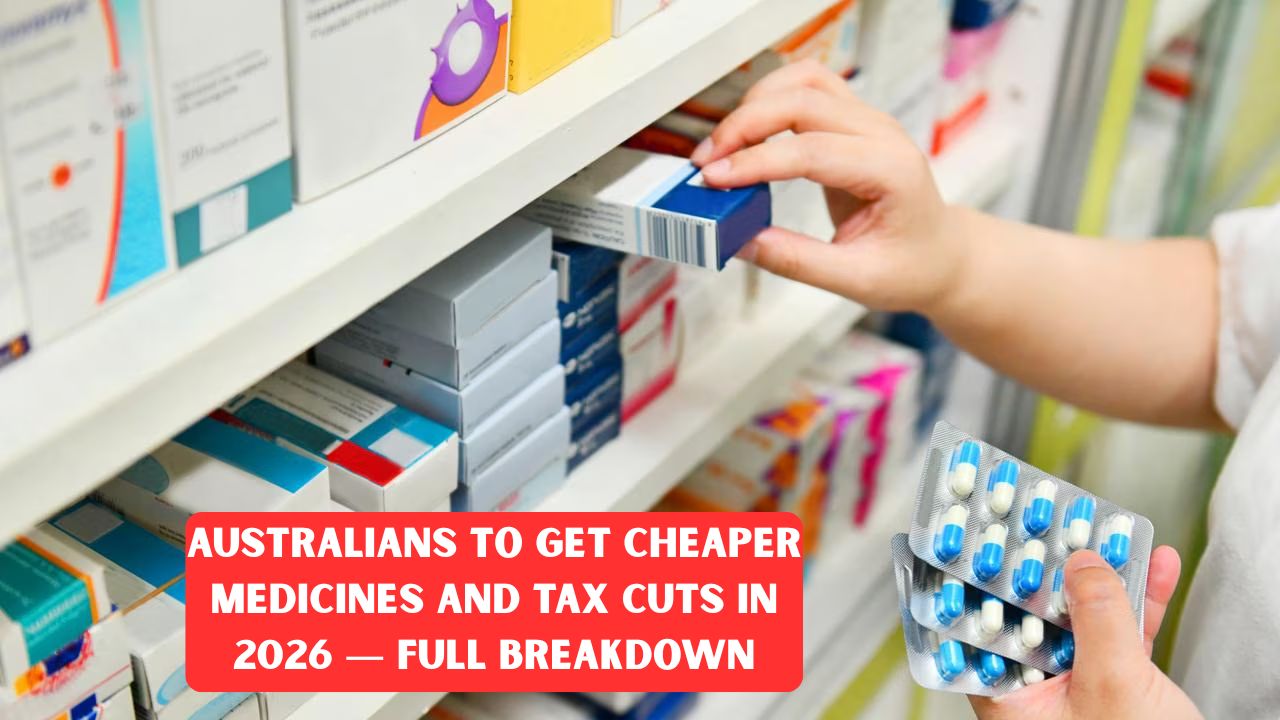
Starting from 1 January 2026, the maximum cost of a Pharmaceutical Benefits Scheme (PBS) prescription will drop significantly. For general patients—those who do not hold a concession card—the maximum co-payment will be slashed from $31.60 to just $25.00. This $6.60 saving per script may seem modest at first glance, but for the millions of Australians managing chronic conditions or filling multiple prescriptions monthly, the cumulative impact is substantial.
The government has noted that without these proactive measures, the standard price for a prescription would likely have exceeded $50.00 by 2026 due to inflation. By capping the price at $25.00, the government is effectively bringing medicine costs back to levels not seen since 2004. This reform ensures that no Australian has to choose between their health and their grocery bill.
Targeted Income Tax Reductions
While the medicine price drops provide relief at the pharmacy, the second half of 2026 will bring relief to the bank account. From 1 July 2026, the start of the new financial year, a new round of personal income tax cuts will commence. This is an additional measure building upon the Stage 3 tax cuts that were previously implemented.
The primary change involves the lower-middle income bracket. Currently, income between $18,201 and $45,000 is taxed at a rate of 16%. Under the new 2026 plan, this rate will be reduced to 15%. For an average worker, this represents an extra saving of roughly $268 per year. While the percentage shift is small, it is part of a multi-year strategy to combat “bracket creep,” where wage increases push workers into higher tax brackets without actually increasing their real purchasing power.
Comparative Data: Savings and Rate Changes
To better understand how these changes will impact the average Australian, it is helpful to look at the specific figures. The table below outlines the transition in costs and tax rates moving into the 2026 period.
| Category | Current Rate/Cost (2025) | New Rate/Cost (2026) | Total Saving / Change |
| PBS General Co-payment | $31.60 per script | $25.00 per script | Save $6.60 per prescription |
| PBS Concession Rate | $7.70 (Frozen) | $7.70 (Frozen) | No increase until 2030 |
| Tax Rate ($18,201–$45k) | 16% | 15% (from July 1) | 1% Rate reduction |
| Max Annual Tax Saving | N/A | Up to $268 | Direct cash back |
Support for Vulnerable Groups and Pensioners
The 2026 roadmap also prioritizes those on fixed incomes. While general patients see their co-payments drop, pensioners and Commonwealth concession cardholders will benefit from an extended freeze on their medication costs. The government has committed to keeping the concessional PBS co-payment at $7.70 until at least 2030.
In addition to the price freeze, the PBS Safety Net thresholds are being adjusted. Once an individual or family spends a certain amount on medicines within a calendar year, further prescriptions become either free (for concession holders) or much cheaper (for general patients). This serves as a vital insurance policy for those facing serious or long-term health challenges.
Broader Economic Impact and Future Relief
These changes are not isolated events but part of a broader “cost of living” package. By reducing the 16% tax bracket to 15% in 2026, the government is laying the groundwork for a further reduction to 14% scheduled for 2027. This phased approach is designed to provide sustainable relief without overstimulating the economy or fueling inflation.
Furthermore, the 2026 reforms include the introduction of “Payday Super,” a system where employers must pay superannuation contributions at the same time as salary and wages. While this doesn’t change a person’s take-home pay immediately, it ensures that workers’ retirement savings grow faster through compounding interest and offers better protection against unpaid super debts.

Impact on Women’s Health and Chronic Care
A specific focus of the 2026 PBS changes is the improved accessibility of women’s health products. The government has expanded the list of subsidized medicines to include more options for oral contraception, menopause treatments, and endometriosis management. For many women, these listings will reduce annual medication costs from hundreds of dollars to a fraction of that amount.
The introduction of 60-day dispensing for hundreds of common medications also continues to play a role. By allowing patients to receive two months’ worth of medicine for the price of a single co-payment, the effective cost per month is halved. When combined with the new $25.00 cap, the cost of managing chronic illness in Australia is becoming significantly more affordable.
Summary of Benefits for 2026
As we look toward 2026, the message is clear: the Australian government is pulling multiple levers to ease financial pressure. Between the 1 January medicine price cuts and the 1 July tax reductions, the average household stands to save hundreds of dollars. These policies provide a much-needed buffer against global economic volatility while strengthening the core pillars of the Australian healthcare and taxation systems.
FAQs
Q1. When exactly do the medicine price cuts start?
The maximum price for a PBS prescription will drop to $25.00 on 1 January 2026. This applies to all general patients with a Medicare card who do not have a concession card.
Q2. Who is eligible for the 2026 income tax cuts?
Every Australian taxpayer earning more than the tax-free threshold ($18,200) will benefit. The specific reduction from 16% to 15% applies to the portion of income earned between $18,201 and $45,000.
Q3. Will the cost of medicine for pensioners also go down?
The cost for pensioners and concession cardholders is already at a low rate of $7.70. While it isn’t decreasing further, the government has frozen this price until 2030 to ensure it does not rise with inflation.
Disclaimer The content is intended for informational purposes only. you can check the officially sources our aim is to provide accurate information to all users.