The landscape of Australian social services is set for a monumental shift as we approach 2026. For millions of families, students, and retirees, the coming year represents more than just a calendar change; it marks the implementation of long-awaited reforms designed to ease the cost of living and simplify how we access essential support. From a revolutionary “3-Day Guarantee” in childcare to significant indexation of Centrelink payments, these updates aim to create a fairer system. Understanding these shifts now is crucial for planning your household budget and ensuring you don’t miss out on the benefits you are entitled to.
The 3-Day Childcare Guarantee: A Game Changer for Families
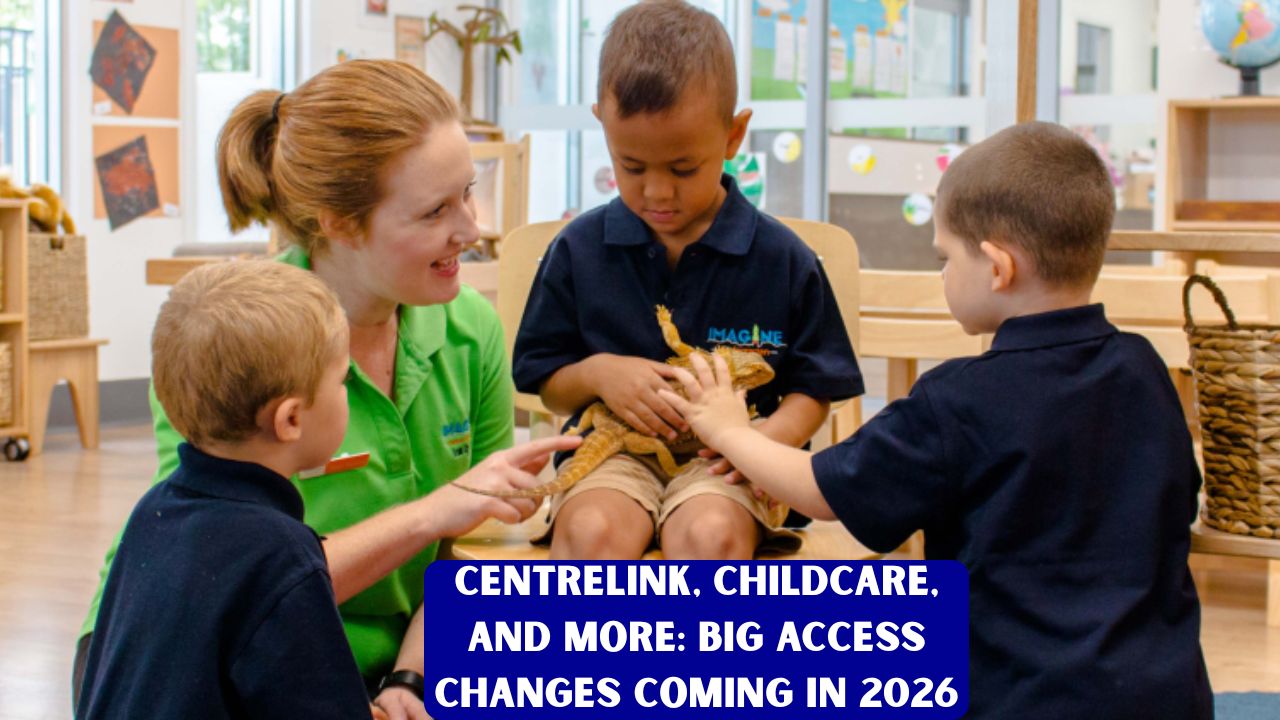
Starting January 5, 2026, the Australian Government is introducing one of the most significant overhauls to early childhood education in decades. Known as the 3-Day Guarantee, this policy effectively replaces the restrictive “activity test” for the first 72 hours of care per fortnight. Previously, the amount of subsidized care a family could access was strictly tied to how many hours parents spent working, studying, or volunteering. Under the new rules, every CCS-eligible family will automatically be entitled to at least 72 hours of subsidized care every two weeks, regardless of their activity level. This ensures that even families with irregular work or those who stay at home can provide their children with consistent early learning opportunities.
Boosting Support for First Nations and High-Activity Households
While the 3-day baseline helps everyone, the 2026 reforms go further to support specific groups. Families caring for Aboriginal and Torres Strait Islander children will see their entitlement jump to 100 hours of subsidized care per fortnight. This move is a targeted effort to close the gap in early childhood education outcomes. Furthermore, for families who do meet high-activity requirements—those working or studying more than 48 hours a fortnight—the maximum entitlement of 100 hours remains in place. The government’s goal is to ensure that childcare is not a barrier to workforce participation while prioritizing the developmental needs of the child.
Indexation and Payment Rate Increases for 2026
Centrelink recipients will notice a shift in their bank balances starting January 1, 2026. Following the standard Consumer Price Index (CPI) adjustments, payments for students, carers, and young people will receive an indexation boost. This is designed to help those on fixed incomes keep up with the rising costs of groceries, rent, and utilities. For instance, Youth Allowance and Austudy recipients will see their fortnightly rates increase, providing much-needed relief to those balancing education with financial survival. Carer Allowance is also slated for an increase, acknowledging the vital role that nearly 700,000 Australians play in supporting loved ones with disabilities or chronic illnesses.
Financial Summary of Key 2026 Changes
To help you visualize how these changes might impact your specific situation, the following table outlines the expected adjustments across various sectors:
| Category | Key Change (Effective 2026) | Estimated Impact |
| Child Care Subsidy | 3-Day Guarantee (72 hours/fn) | Savings of up to $1,460/year for avg. families |
| Youth Allowance | CPI Indexation Boost | Fortnightly increase of approx. $17.60 |
| Carer Allowance | Regular Indexation | Rate increase to roughly $162.60 per fortnight |
| PBS Medicines | Maximum Co-payment Reduction | Price drop from $31.60 to $25.00 per script |
| Medicare Safety Net | Threshold Adjustments | Faster access to 100% rebates for out-of-pocket costs |
Healthcare and PBS: Making Medicine More Affordable
The 2026 changes aren’t limited to direct payments; they also extend to the pharmacy counter. In a major win for public health, the maximum cost for a Pharmaceutical Benefits Scheme (PBS) prescription will fall to $25.00 for general patients. This is the lowest co-payment level in over twenty years, aimed at ensuring that Australians don’t have to choose between their health and their groceries. Additionally, Medicare Safety Net thresholds are being adjusted. For those with high medical needs, reaching these thresholds sooner means the government will cover a larger portion of out-of-hospital expenses for the remainder of the year.
Digital Transformation: The 1800MEDICARE App
Ease of access is just as important as the funding itself. In early 2026, the “My Health” mobile app will undergo a rebranding and functional upgrade, becoming the 1800MEDICARE app. This isn’t just a name change; it represents a push toward a more integrated digital health system. The updated app will feature a 24/7 health advice line and direct links to after-hours GP telehealth services. This digital shift is part of a broader Services Australia initiative to reduce call wait times and allow users to manage their Centrelink and Medicare claims more efficiently from their smartphones.
Preparing Your Household for the Transition
The good news for most Australians is that many of these changes—especially the childcare hours and indexation—will happen automatically. If you are already receiving the Child Care Subsidy or a Centrelink payment, you generally won’t need to lift a finger; Services Australia will update your entitlements based on the data they already hold. However, it is a great time to log into your myGov account and ensure your family income estimates and participation details are up to date. Accurate reporting now prevents “robodebt-style” overpayments later and ensures you receive every cent of the new 2026 boosts.

FAQs
Q1. Do I need to reapply for the Child Care Subsidy to get the 3-day guarantee?
No. If you are already CCS-eligible, the increase to 72 hours per fortnight will be applied automatically to your account starting January 5, 2026.
Q2. Will my childcare “gap fee” stay the same?
The 2026 changes affect the number of hours subsidized, not your subsidy percentage. Your out-of-pocket costs will still depend on your family’s income level and the hourly rate charged by your specific provider.
Q3. Who is eligible for the $25 PBS medicine cap?
This cap applies to all general patients without a concession card. For those with a Commonwealth Senior Health Card or Pensioner Concession Card, the costs remain significantly lower or even free once the safety net is reached.
Disclaimer: The content is intended for informational purposes only. You can check the official sources as our aim is to provide accurate information to all users.