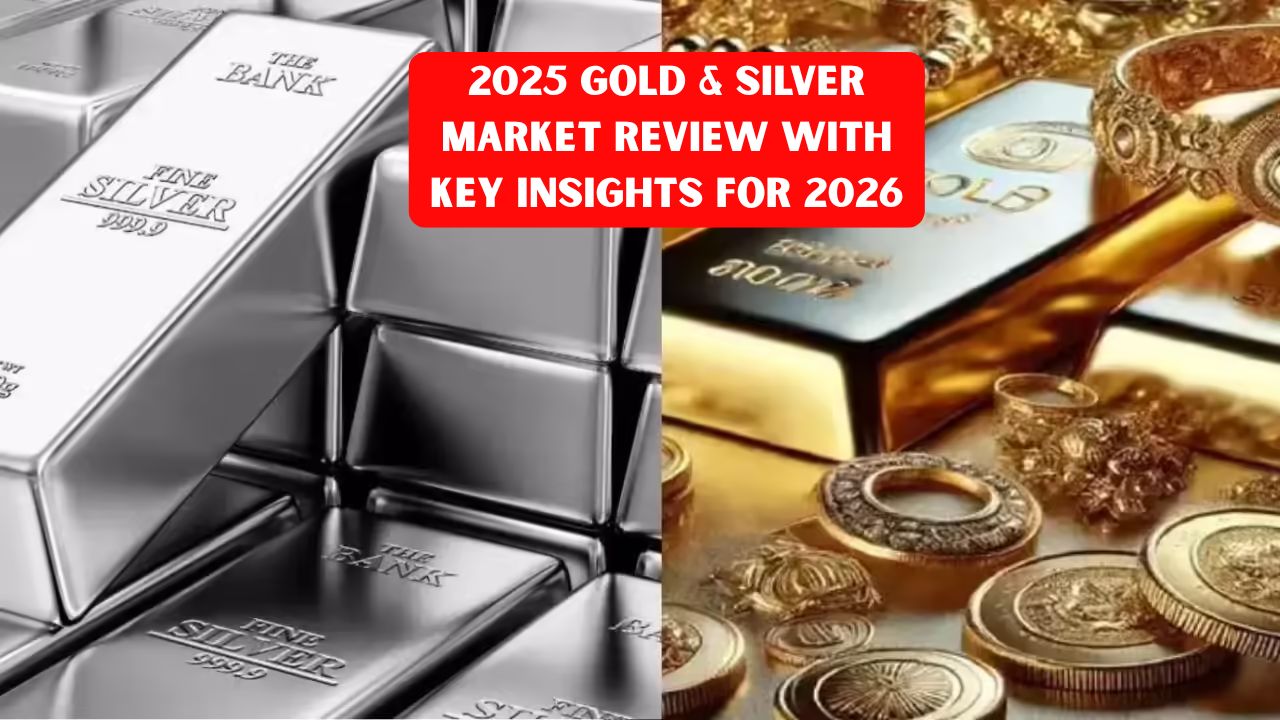
The financial history books will likely remember 2025 as the year precious metals fundamentally decoupled from their traditional constraints and entered a new paradigm of valuation. It was a period where gold and silver did not just act as defensive hedges against inflation or geopolitical instability but emerged as the top-performing assets in global portfolios. Investors witnessed a historic rally that saw gold shatter psychological ceilings and silver deliver triple-digit percentage gains, driven by a perfect storm of central bank accumulation, monetary policy shifts, and unrelenting industrial demand.
Gold Breaks the Glass Ceiling
For gold, 2025 was defined by the obliteration of resistance levels that had held for years. The metal surged past the $3,000 mark early in the year and continued its relentless march, eventually breaching $4,000 per ounce by the fourth quarter. The primary engine behind this move was not just retail fear, but a structural shift in global reserves. Central banks, particularly in emerging markets like China and India, aggressively diversified away from the US dollar, creating a sustained bid that absorbed Western ETF outflows. This “de-dollarization” trend effectively put a floor under prices, ensuring that even during minor pullbacks, the dip-buying interest was ferocious.
Silver: The Industrial Powerhouse
While gold grabbed headlines, silver quietly stole the show, delivering returns that significantly outperformed its yellow cousin. By gaining over 120% in 2025, silver broke free from its decades-long stagnation, driven by an acute physical shortage. The narrative for silver shifted from being a “poor man’s gold” to a critical strategic metal. The explosion in demand from the solar photovoltaic sector, combined with new, massive requirements for high-conductivity silver in AI data centers and electric vehicles, created a supply deficit for the fifth consecutive year. In a rare market anomaly, silver prices even overtook crude oil for the first time in forty years, signaling a changing of the guard in commodity leadership.
The Macroeconomic Perfect Storm
The macroeconomic backdrop of 2025 provided the ideal fuel for this rally. The Federal Reserve’s pivot to interest rate cuts in response to softening labor market data lowered the opportunity cost of holding non-yielding assets like bullion. Furthermore, the persistent geopolitical friction in Eastern Europe and the Middle East kept the “fear trade” alive. Unlike previous cycles where high interest rates dampened metal prices, 2025 proved that when sovereign debt concerns and currency debasement fears take center stage, real interest rates matter less than the return of capital.
2025 Market Performance Snapshot
| Asset Class | Start of 2025 (Approx) | End of 2025 (Highs) | YoY Growth | Key Driver |
| Gold | $2,700 / oz | $4,400+ / oz | ~60% | Central Bank Buying & Rate Cuts |
| Silver | $29 / oz | $68+ / oz | ~125% | Solar & AI Industrial Demand |
| Gold/Silver Ratio | 85:1 | 65:1 | -23% | Silver Outperformance |
| Oil (WTI) | $70 / bbl | $56 / bbl | -20% | Weak Demand & Oversupply |
Outlook for 2026: The Path to $5,000
Looking ahead to 2026, the consensus among major financial institutions remains bullish, though volatility is expected to increase. Analysts at firms like Goldman Sachs and J.P. Morgan are projecting gold to challenge the $5,000 per ounce level. The drivers for this continued ascent include further anticipated easing by the Federal Reserve and the normalization of gold allocation in global pension funds. As long as global debt levels continue to spiral, the case for gold as the ultimate store of value remains intact. However, investors should be wary of profit-taking bouts, as the market is arguably overextended in the short term.
Silver’s Industrial Floor in 2026
For silver, the 2026 outlook is underpinned by hard physical realities rather than just speculation. With the global push for renewable energy accelerating, the solar industry alone is projected to consume nearly 20% of the annual silver supply. When combined with the “AI boom” necessitating silver-heavy electronic components, the floor for silver prices remains high. Even if speculative fervor cools, industrial buyers are likely to step in aggressively on any price drops to secure inventory, potentially keeping silver trading in a new, higher range between $50 and $70.
Strategic Implications for Investors
The key takeaway for investors as we move into 2026 is that the “buy and hold” strategy for precious metals has returned with a vengeance. However, chasing vertical rallies is dangerous. The smart money will likely look to accumulate during consolidation phases rather than buying the rip. Diversification remains vital; while metals are shining, they do not generate cash flow. A balanced approach, using the 2025 gains to rebalance portfolios while maintaining a core insurance position in physical metals, appears to be the prudent path forward.

FAQs
Q1: Is it too late to buy gold or silver in 2026?
A: While the massive gains of 2025 are unlikely to be repeated exactly, the long-term trend remains upward. Buying on dips rather than chasing all-time highs is recommended for new entrants.
Q2: Why did silver perform better than gold in 2025?
A: Silver benefits from a “double driver”: it is a monetary metal like gold but also a critical industrial material. Shortages in physical supply due to solar and AI demand squeezed prices higher than gold.
Q3: Will gold hit $5,000 next year?
A: Many analysts forecast gold reaching $5,000 in 2026, citing falling interest rates and continued central bank buying, though market corrections are always possible along the way.
Disclaimer
The content is intended for informational purposes only. you can check the officially sources our aim is to provide accurate information to all users.