The automotive world is buzzing with the news that the Chevrolet Bolt is making a triumphant return. After a brief hiatus that left fans wondering about the future of affordable electric mobility, General Motors has confirmed that a next-generation Bolt is slated for a Q1 2026 release. This isn’t just a simple refresh; the 2026 Bolt (officially designated as a 2027 model year vehicle) represents a strategic shift for Chevrolet. By leveraging the updated Ultium platform and focusing on cost-efficient technologies, Chevy aims to reclaim its title as the king of budget-friendly EVs. This relaunch is specifically designed to address the previous model’s limitations, particularly in charging speed, while maintaining the compact, city-friendly footprint that made the original a cult classic.
A New Battery Foundation: LFP and Ultium
The biggest technical leap for the 2026 Chevy Bolt is the move to Lithium Iron Phosphate (LFP) battery chemistry. Unlike the Nickel Cobalt Manganese (NCM) cells used in the past, LFP batteries are significantly more durable and less prone to degradation from frequent fast-charging. This shift is a masterstroke in value engineering; LFP chemistry is cheaper to produce, allowing Chevrolet to keep the starting price remarkably low. Despite the more affordable chemistry, the Bolt is expected to deliver a GM-estimated range of approximately 255 miles. This range, combined with a 65 kWh battery pack, ensures that the vehicle remains a highly practical option for both daily commuting and moderate regional travel.
Charging Performance and NACS Integration
One of the most frequent criticisms of the original Bolt was its sluggish DC fast-charging rate, which topped out at a modest 55 kW. Chevrolet has addressed this head-on for the 2026 relaunch. The new model will support DC fast-charging speeds of up to 150 kW, more than 2.5 times faster than its predecessor. This means drivers can expect to go from a 10% to 80% charge in just about 26 minutes. Furthermore, the 2026 Bolt will be the first Chevrolet vehicle to feature a native North American Charging Standard (NACS) port. This allows owners to plug directly into the vast Tesla Supercharger network without needing a bulky adapter, drastically improving the “road-tripability” of this compact EV.
Key Specifications Comparison
To understand how the new Bolt stacks up against its predecessors and the current market, here is a breakdown of the projected specifications:
| Feature | Previous Gen Bolt EV | New 2026/2027 Bolt |
| Battery Chemistry | NCM (Lithium-Ion) | LFP (Lithium Iron Phosphate) |
| Est. Range | 259 Miles | 255 Miles |
| Max DC Charging | 55 kW | 150 kW |
| 10-80% Charge Time | Approx. 60+ Minutes | Approx. 26 Minutes |
| Charge Port | CCS | NACS (Tesla Standard) |
| Starting MSRP | ~$27,000 | ~$28,995 (Expected) |
Modernized Design and Interior Upgrades
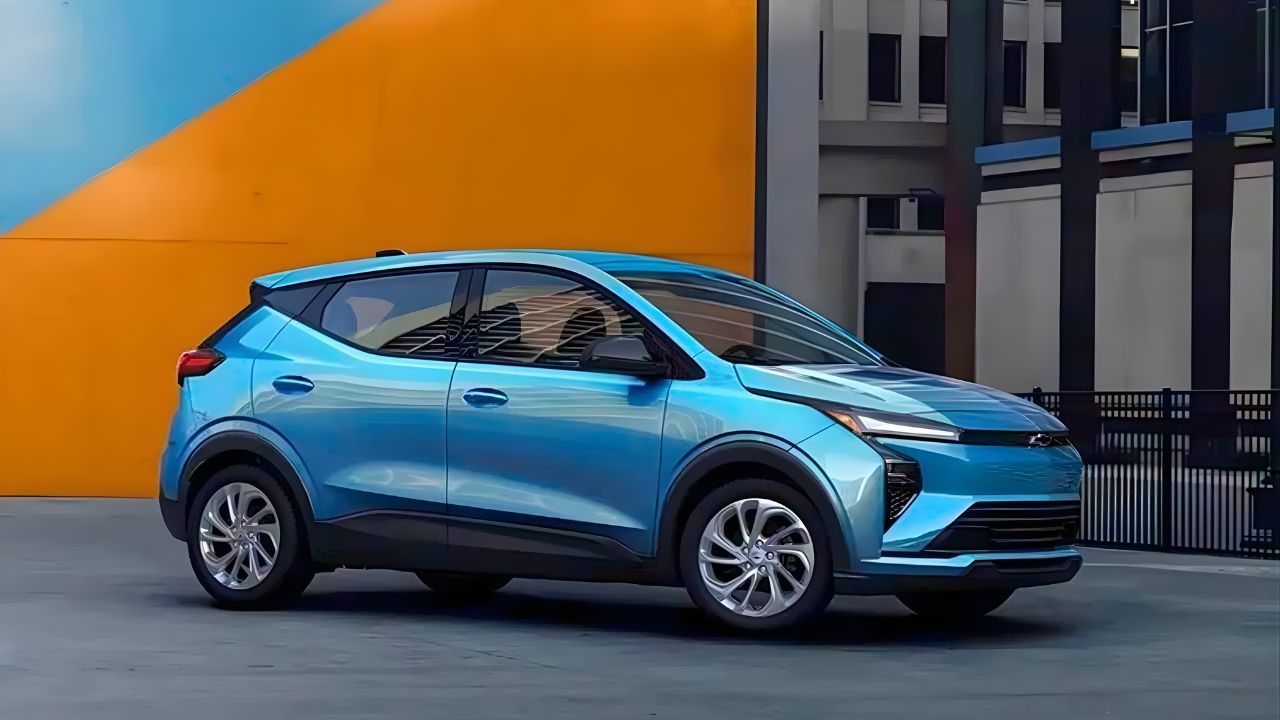
While the 2026 Bolt maintains a familiar silhouette, the “glow-up” is evident in the details. Borrowing design cues from the Equinox EV and the Blazer EV, the new Bolt features sleeker front and rear fascias with distinct vertical LED lighting signatures. Inside, the cabin receives a massive tech overhaul. Gone are the dated interfaces, replaced by a standard 11.3-inch diagonal infotainment touchscreen and an 11-inch digital driver information center. The interior will utilize Google Built-in for seamless navigation and app integration. Although some may miss Apple CarPlay and Android Auto, the native Google system is designed to offer a more integrated experience with the vehicle’s battery management and routing systems.
Advanced Safety and Driver Assistance
Chevrolet isn’t skimping on safety to reach a lower price point. The 2026 relaunch is expected to come standard with the Chevy Safety Assist suite, which includes automatic emergency braking, lane keep assist, and front pedestrian braking. Perhaps most exciting for budget-conscious tech enthusiasts is the availability of Super Cruise. This hands-free driver assistance technology, previously reserved for higher-end models or the Bolt EUV, will be offered on the new Bolt. This feature allows for hands-free driving on thousands of miles of compatible highways across North America, making long-distance hauls significantly less taxing for the driver.
The Best Value in the EV Market
When the new Bolt arrives in dealerships in early 2026, it is poised to be the most affordable electric vehicle in the United States. With a targeted starting price of under $30,000—and even lower once potential federal tax credits are applied—it undercuts almost every other competitor in the segment. Chevrolet’s strategy is clear: focus on what people actually need. By providing a car that is easy to park, quick to charge, and cheap to own, they are creating an entry point into the EV world for thousands of households. The 2026 Bolt isn’t just a car; it’s a statement that electric mobility doesn’t have to be a luxury limited to the wealthy.

Future-Proofing with V2H Technology
One final feature that sets the 2026 Bolt apart from its budget rivals is its bidirectional charging capability. Equipped with Vehicle-to-Home (V2H) technology, the Bolt can actually serve as a backup power source for your house during an outage. When connected to a compatible GM Energy home system, the Bolt’s 65 kWh battery can keep essential appliances running for days. This adds an incredible layer of value to the vehicle, transforming it from a mere commuter car into a vital piece of home infrastructure. As we move toward a more electrified future, this kind of versatility will likely become a deciding factor for many savvy buyers.
FAQs
Q1 Will the 2026 Chevy Bolt have a Tesla charging port?
Yes, the 2026 (2027 MY) Chevy Bolt will feature a native NACS port, allowing it to use Tesla Superchargers without an adapter.
Q2 How much will the 2026 Chevy Bolt cost?
Official pricing is expected to start at approximately $28,995 for the base LT trim, including destination charges.
Q3 What is the driving range of the new Bolt?
Chevrolet estimates the new Bolt will offer approximately 255 miles of range on a full charge thanks to its new LFP battery system.
Disclaimer The content is intended for informational purposes only. you can check the officially sources our aim is to provide accurate information to all users